Takamatsu
Central city area
The central area of the city, with a lot of shops, restaurants and shopping centers, is that one between Takamatsu station, Kawaramachi station and the Ritsurin Koen.
In particular there are some covered shopping arcades (Shotengai) full of shops and restaurants that are the best place in town to eat and go shopping.
The main shotegai are
Tamachi from north to south (more or less from the Castle to the Ritsurin Koen) and the parallel street
Lion Dori,
Katahara-machi from west to east,
Tokiwa-gai (all marked in the map at the bottom).
Tamamo Park e Takamatsu Castle
(admission 200 yen, opening hours from sunrise to sunset)
"Tamamo Park" is the name given to the area in 1955 on the site of the castle of Takamatsu. This castle, built in 1590, is located a few hundred meters east of Takamatsu station, facing the harbor. There are only two other castles throughout Japan built facing the sea like this one in Takamatsu, and they are called in Japanese "
mizujiro". The others are located at Imabari and Nakatsu in Kyushu region.
Nowadays little survives of the old building, and the keep of the castle, which was made up of 5 floors, was demolished in 1884. It is currently in the design stage a long process of reconstruction of the keep, made even more difficult by lack of information about its original appearance.
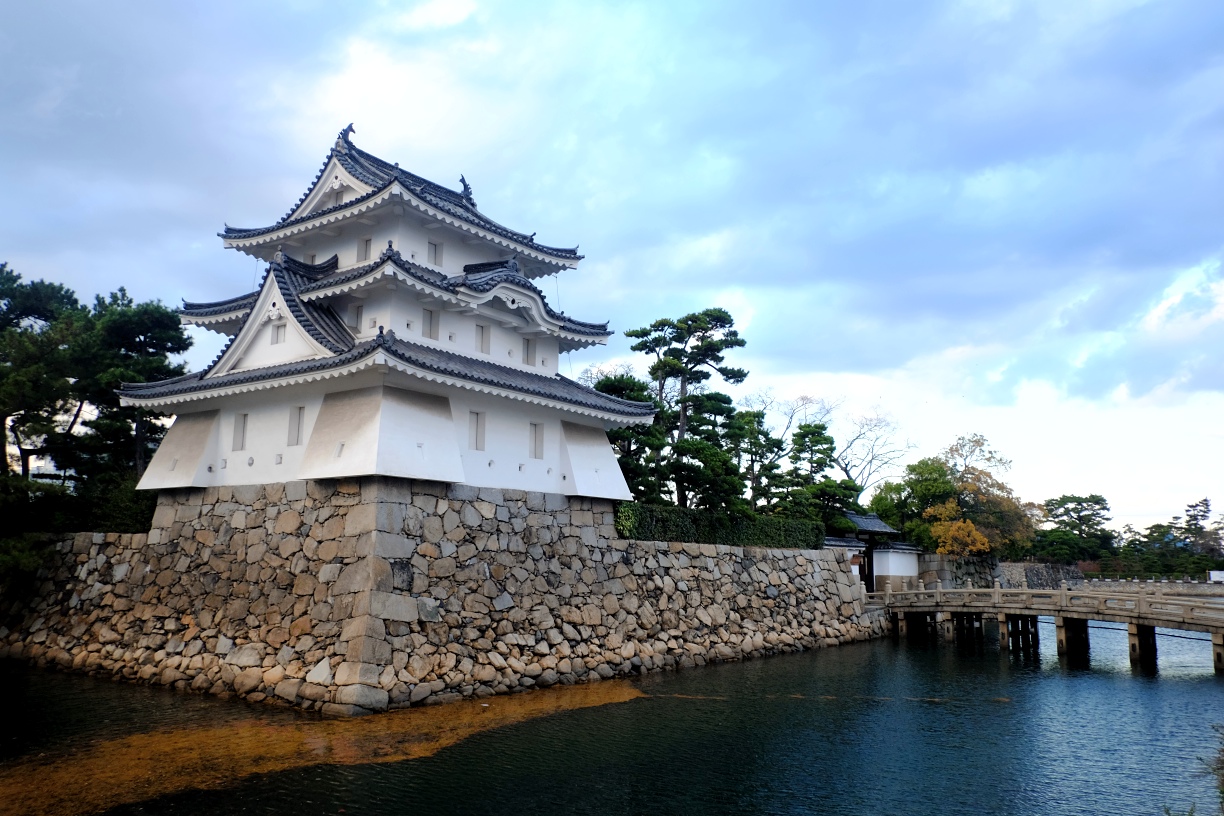
Inside the walls there is a beautiful park with many cherry trees and a few scattered remnants of the ancient castle, in particular two turrets (
Ushitora Yagura and
Tsukimi Yagura) which are the only complete buildings in the whole park.
The walls were once surrounded in their entire perimeter by moats filled with water, today there is only one outer moat located on the south side of the castle, but there is also a wide inner moat where you can take a ride on small boats. All the castle moats are filled with salt water that comes straight from the sea, and the water level would change depending on the tide if it was not kept in check by a floodgate.
In the middle of the park there is a traditional building, built in 1917 and known as
Hiunkaku, a place where various events are held throughout the year.
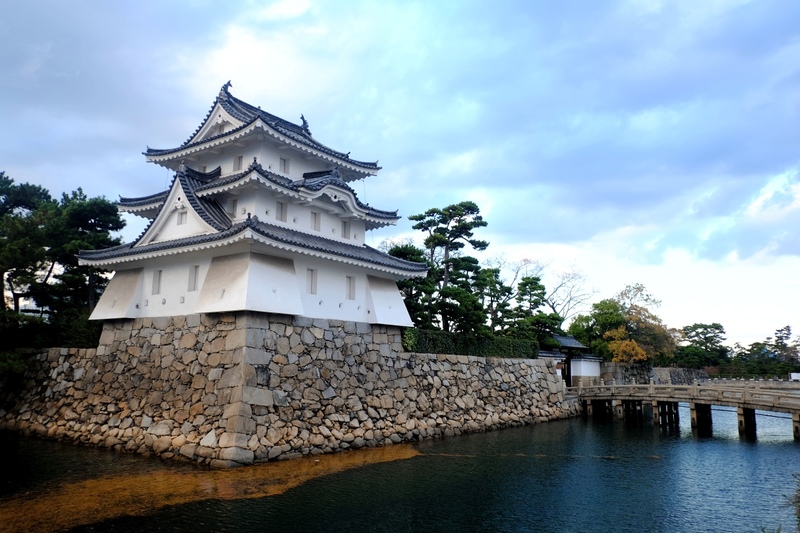 one of the turrets of the ancient castle still standing within the Tamamo Park
Ritsurin Koen
(admission 410 yen, opening hours from sunrise to sunset)
This huge traditional Japanese garden (750,000 square meters) is located approximately 2.5 km south of the station and the port of Takamatsu, at the foot of Mount Shiun, which is used as a background of many of the landscapes "built" inside.
The works for the construction of the garden began around 1620 and ended more than a hundred years later, in 1745, and today this place is considered one of the finest traditional gardens throughout Japan.
Among the many views, plants, trees and ponds full of trouts and carps, you can find also two teahouses (
Kikugetsu-tei and
Higurashi-tei) where you can enjoy tea and typical sweets for about 500-700 yen.
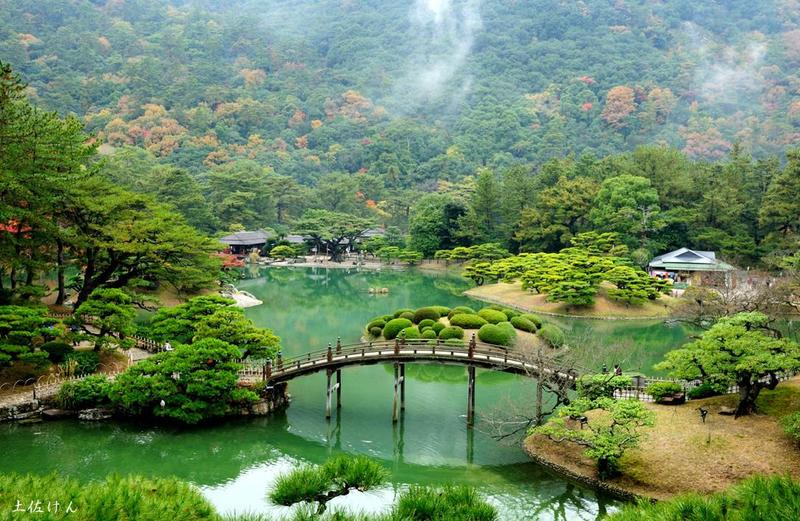 wonderful view inside the Ritsurin Koen (photo taken from here)
Sunport Takamatsu
A shopping complex located between the JR Takamatsu station and the city's port.
It was built to redevelop the port area of the city, which was very important in the past for the maritime links between the islands of Honshu and Shikoku, but whose traffic started to fall more and more after the inauguration of the
Great Seto Bridge in 1988.
The complex includes a number of office space, shops, restaurants, and a hotel (
JR Hotel Clement Takamatsu). The tallest building in the complex is the skyscraper known as
Symbol Tower, at whose top two floors (29th and 30th) there are a few restaurants and an observation deck accessible for free. Another beautiful view can be enjoyed from the roof of the lower building adjacent to the tower.
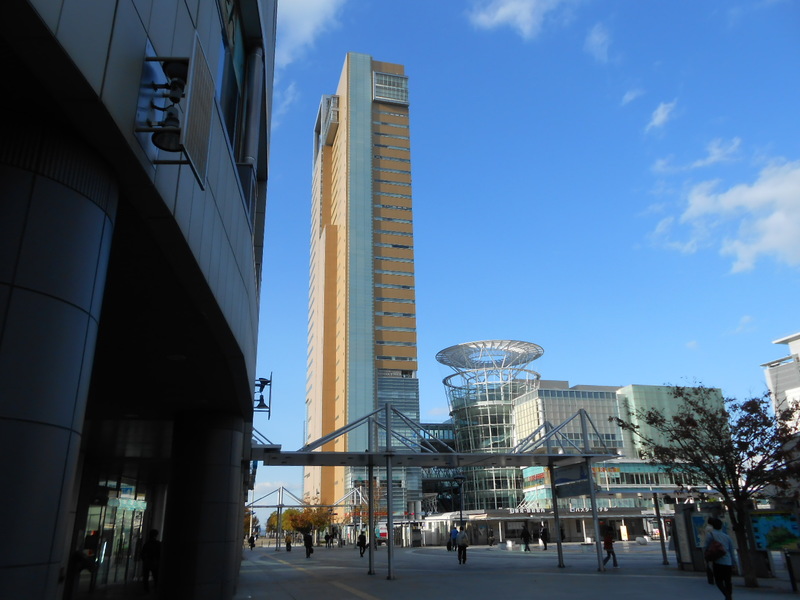 the Symbol Tower
Mount Yashima
Mount Yashima is a promontory with a characteristic flat shape, a few kilometers east of the city center of Takamatsu (15 minutes by train) and easily visible from the city's waterfront. In this place, on March 22, 1185 took place an important naval battle known as
Battle of Yashima.
You can reach the summit of the headland by car or bus in about 10 minutes, from the nearby JR Yashima and Kotoden Yashima stations. Once at the top you can enjoy a beautiful view of the city of Takamatsu and the sea. Moreover, on top there is a Buddhist temple and an aquarium. At the foot of the mountain there is a museum.
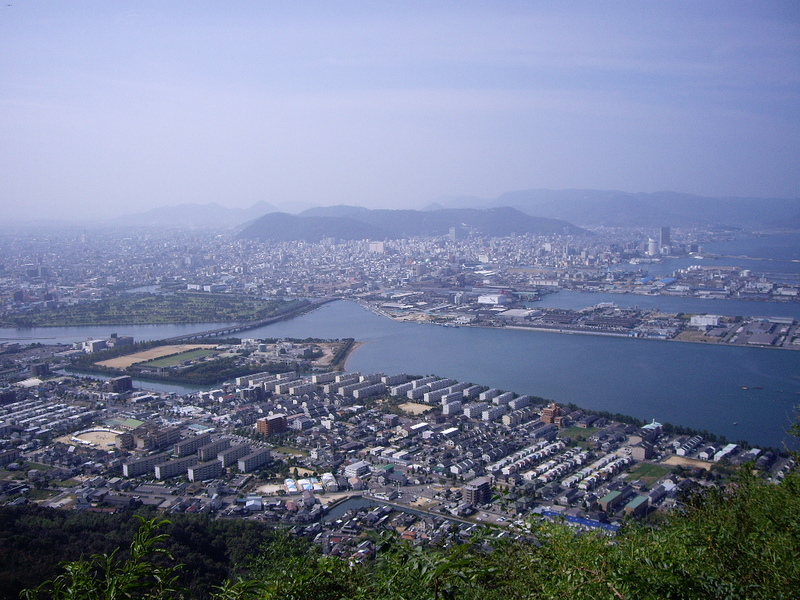 view of the city of Takamatsu from Mount Yashima
Yashima Temple
(free admission)
A Buddhist temple like a thousand others in Japan, located on Mount Yashima. The entrance to the temple is free, there is also a small museum (admission 500 yen) with the treasures of the temple and some things related to the Battle of Yashima.
Abandoned Resort of Yashima
In the 70s of the twentieth century this place was chosen by some unknown group of entrepreneurs as a place to create a new tourist destination, and therefore on this mountain were built a number of hotels that will have been closed a few years later. The mountain was accessible by cable car too (
Yashima Cable Car), officially closed and abandoned in 2005.
For this reason Yashima is cited by all websites specialized in ghost towns. Nowadays little remains of this resort because many of the abandoned buildings have been demolished over the years, but on top of the mountain you can still find some abandoned hotel and especially the cable car railway, whose two stations (abandoned) still survive at the base and top of the mountain.
New Yashima Aquarium
(admission 1200 yen, orario di apertura 9-17)
An aquarium on Mount Yashima, a few minutes from the Buddhist temple. It holds the useless record of being Japan's highest aquarium.
It houses about 500 different marine species, including two rare examples of American manatee. During the day there are also shows with dolphins and sea lions. Built in 1969 as a tourist attraction of that resort that no longer exists (see above), the aquarium is the only structure of the period still open today and it has been modernized in 2006. Nevertheless, some people say that this aquarium is a bit shabby.
Shikoku Mura Village
(admission 800/1000 yen, orario di apertura 8:30-17:30, fino alle 18 da apr a ott)
A big park and open-air museum at the base of Mount Yashima, a few minutes on foot from JR Yashima and Kotoden Yashima stations.
Scattered within this park there are a number of buildings and traditional architectures of the Shikoku region, belonging to different historical periods, from the Edo period to the Taisho period. For example, the ancient buildings for processing of sugarcane and the production of soy sauce, a wooden suspension bridge, a lighthouse, the old houses of the lighthouse keepers.
In 2002 opened a new exhibition space, designed by renowned architect Tadao Ando, where art exhibitions are held. If you want to visit this art gallery too, you must buy a combined admission ticket which costs 1000 yen instead of 800.
Islands
In front of the city of Takamatsu, in the
Seto Inland Sea that separates the island of Shikoku and the neighboring main island of Japan, Honshu, there are lots of islands.
Some of these islands are very close to the city of Takamatsu and can be reached in a few minutes by boat from the port of the city, in particular
Megijima,
Ogijima and
Oshima.
More information on the dedicated page
Seto Inland Sea islands.
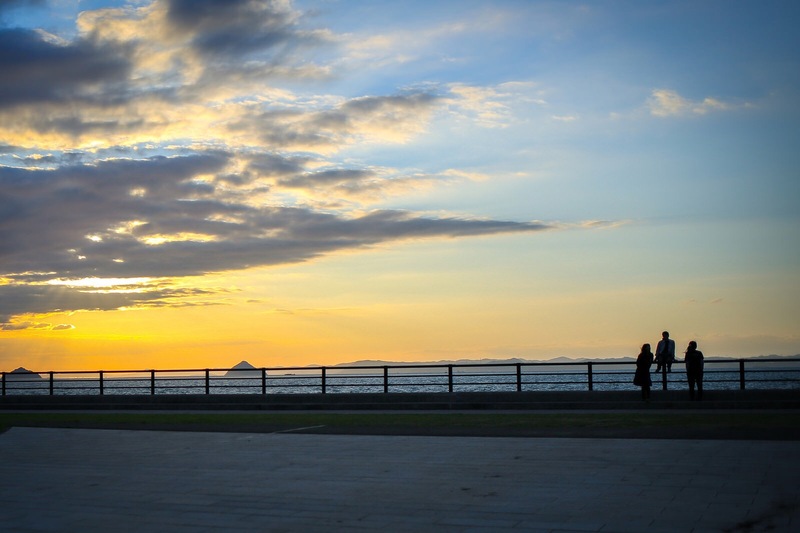 waterfront view in Takamatsu
Where to stay in Takamatsu, recommended accommodation
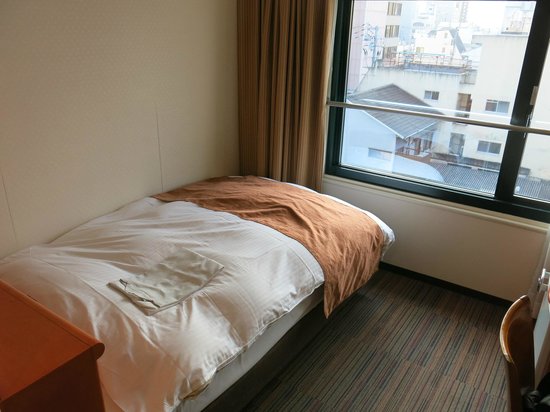 Takamatsu Terminal Hotel
The hotel with the best value for money if you want to sleep near the station of Takamatsu, which is just 100 meters away. This hotel offers free bike rentals to all its guests, very comfortable to reach all the attractions in the city. Single rooms from 6,000 yen per night.
Takamatsu Terminal Hotel
The hotel with the best value for money if you want to sleep near the station of Takamatsu, which is just 100 meters away. This hotel offers free bike rentals to all its guests, very comfortable to reach all the attractions in the city. Single rooms from 6,000 yen per night.
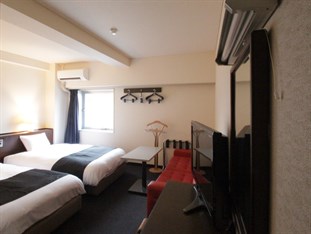 APA Hotel Takamatsu Kawaramachi
Business hotel belonging to the APA Hotels chain, which guarantee excellent value for money. This hotel is located in the commercial heart of the city, a few meters from Kawaramachi station. Clean and modern rooms from 5600 yen per night. You can enjoy the breakfast buffet by paying 800 yen extra per night.
APA Hotel Takamatsu Kawaramachi
Business hotel belonging to the APA Hotels chain, which guarantee excellent value for money. This hotel is located in the commercial heart of the city, a few meters from Kawaramachi station. Clean and modern rooms from 5600 yen per night. You can enjoy the breakfast buffet by paying 800 yen extra per night.
How to get to Takamatsu
By train
Shinkansen
The island of Shikoku is not served by the at high speed trains (shinkansen). If you want to get to Takamatsu by train from the main cities of Japan, you must first go to
Okayama, which is the nearest town served by the high-speed railway (
Sanyo shinkansen), and there take the
JR Marine Liner connecting Okayama and Takamatsu in 50-60 minutes (1510 yen).
Night trains
The city of Takamatsu is one of the few cities in Japan which are still served by night trains. The night train called
Sunrise Seto connects Tokyo and Takamatsu in 10 hours.
By coach
There are various bus companies connecting Takamatsu with various cities in Japan, including Osaka (about 3 hours and a half away) and Tokyo (about 10 hours). All these companies have websites only in Japanese, so the easiest way to find detailed information is to go directly to the bus stations, in Tokyo station and Shinjuku in Tokyo, Namba OCAT and Umeda in Osaka.
If you leave from Tokyo, a very viable alternative is to take a bus of
Willer Express, a very popular company among foreign tourists thanks to their
English website and low-cost fares.
This company does not directly serve the city of Takamatsu, but you could get to the nearby Okayama, and then once there take the train (
JR Marine Liner).
By ferry
A ferry called
Jumbo Ferry connects the harbour of
Kobe (not far from Osaka and Kyoto) and the harbour of Takamatsu, and it is one of the best options to get to Takamatsu and Shikoku if you depart from the Kansai region, although it is rarely used by foreign tourists.
Jumbo Ferry
This ferry connects the port of Kobe with the port of Takamatsu, making an intermediate stop in the island of Shodoshima.
The total sailing time between Kobe and Takamatsu is about 4 hours and there are four daily departures, including one at 1am that is very comfortable because you can save the cost of a night in a hotel.
The fare of the ticket, if you board on foot without any means of transport, is 1,940 yen one way, 3380 yen round trip.
If you take that ferry traveling overnight, you also have the option to reserve a seat for additional 1000 yen or a single room for 2000 yen.
You can find all the information you need on the Jumbo Ferry in this very detailed
English pdf.
By plane
The city of Takamatsu is served by a small airport, connected to the city by several bus lines.
Flights to Tokyo are operated both by the major airlines
JAL and
ANA (Tokyo Haneda) and by the low-cost airlines
Jetstar Japan and
Spring Airlines (Tokyo Narita).
Map of Takamatsu
Guided tours, activities and other things to do
If you are planning a trip to Japan and you want to do something more than just visiting famous places and monuments, we suggest you to use
Rakuten Travel Experiences.
How to use Rakuten Travel Experiences
Rakuten Travel is a very useful website to
enrich your travel experience, especially if you are going solo or it's your first time in Japan.
Because of the language barrier (and more), in Japan it is very difficult to interact with the locals and to get off the tourist track.
Thanks to Rakuten Travel you can find a lot of interesting and sometimes unique
guided tours and activities all over Japan (and not only in Japan), that you would otherwise never be able to enjoy.
But there's more: on Rakuten Travel you can also
buy tickets for several famous attractions, events, transportation and other useful services for tourists. Last but not least, you can
reserve a table in hundreds of restaurants.
Some examples
Take a look at Rakuten Travel Experiences
You may also be interested in
 one of the turrets of the ancient castle still standing within the Tamamo Park
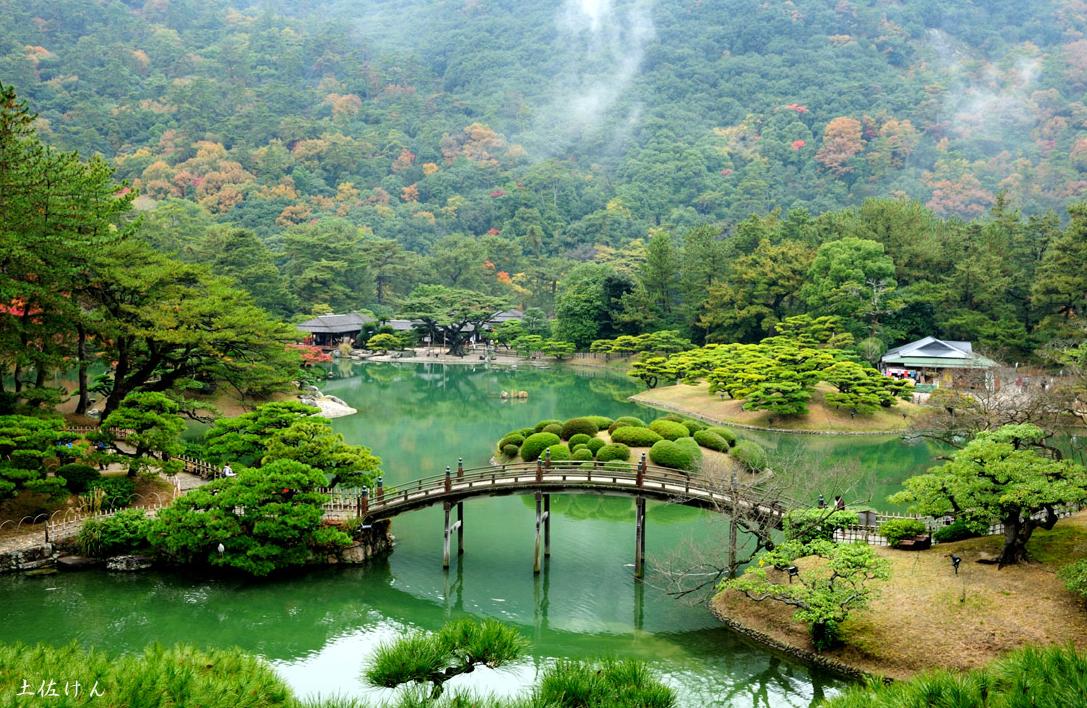 wonderful view inside the Ritsurin Koen (photo taken from here)
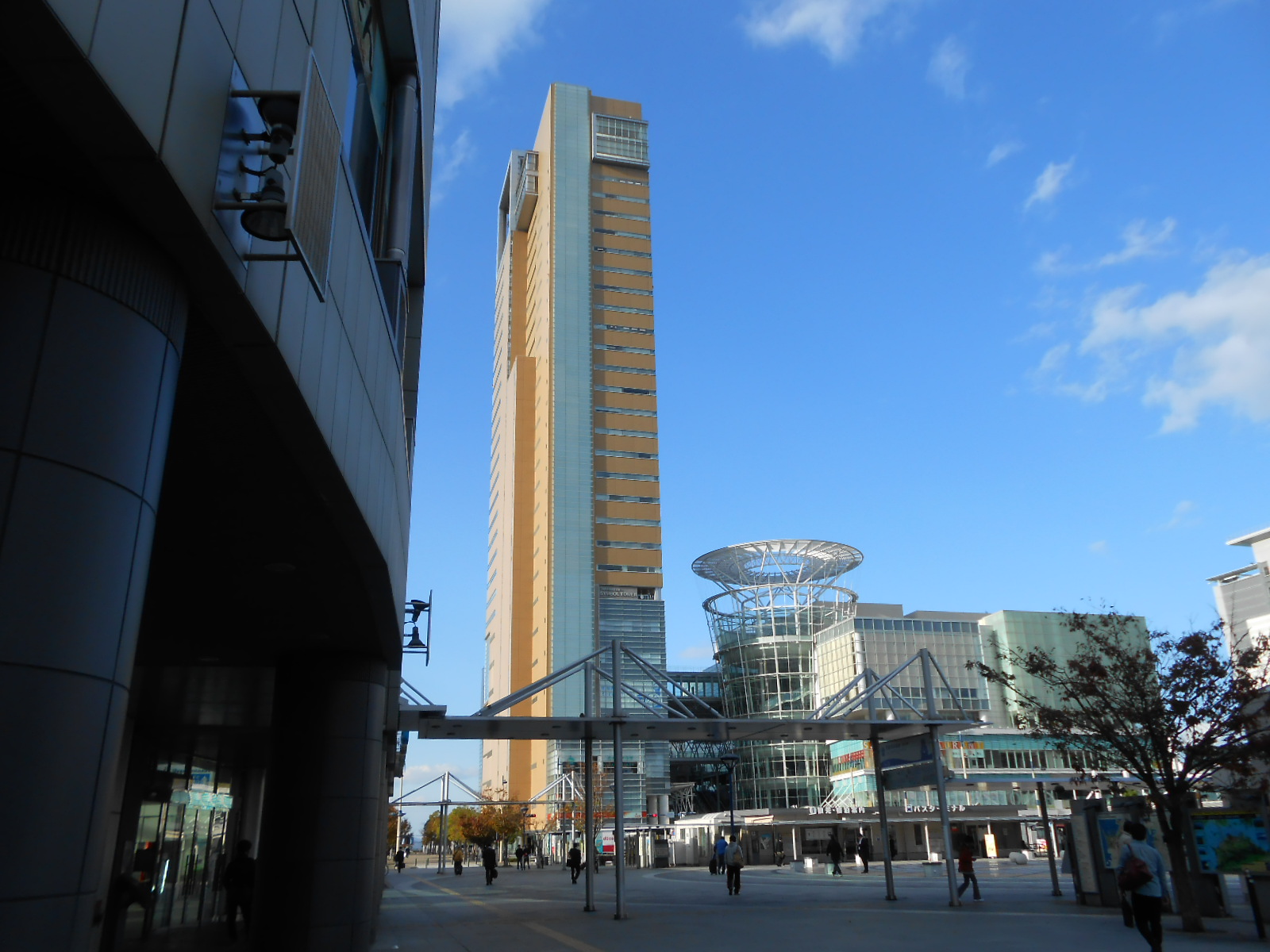 the Symbol Tower
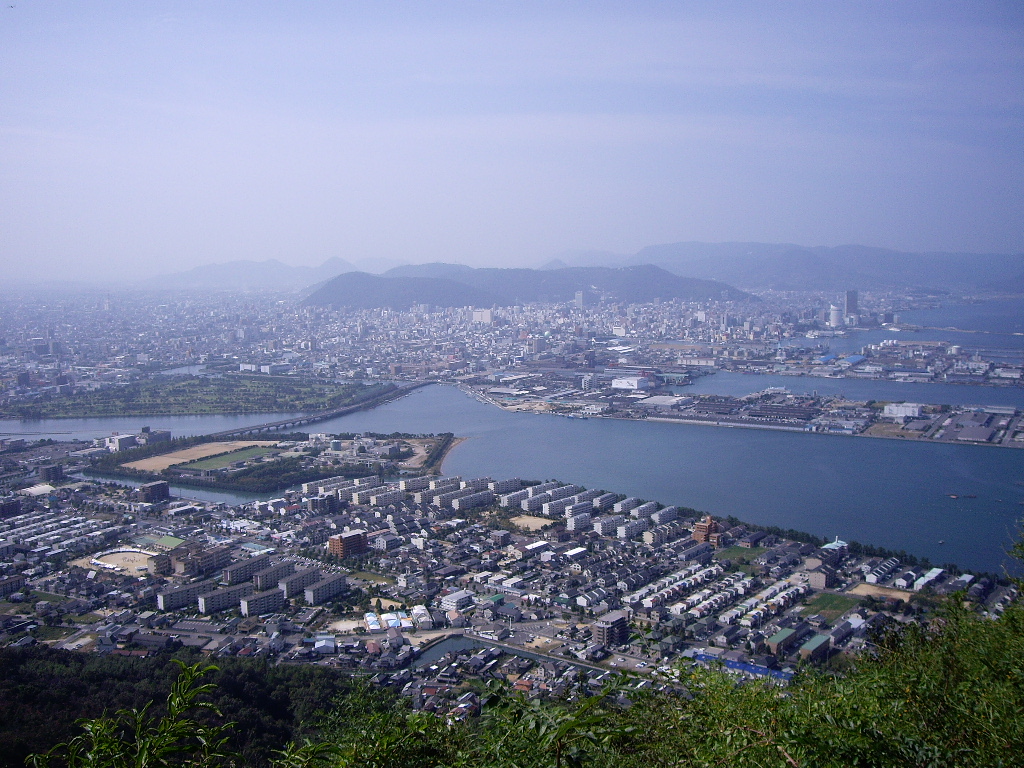 view of the city of Takamatsu from Mount Yashima
 waterfront view in Takamatsu