Tenjin
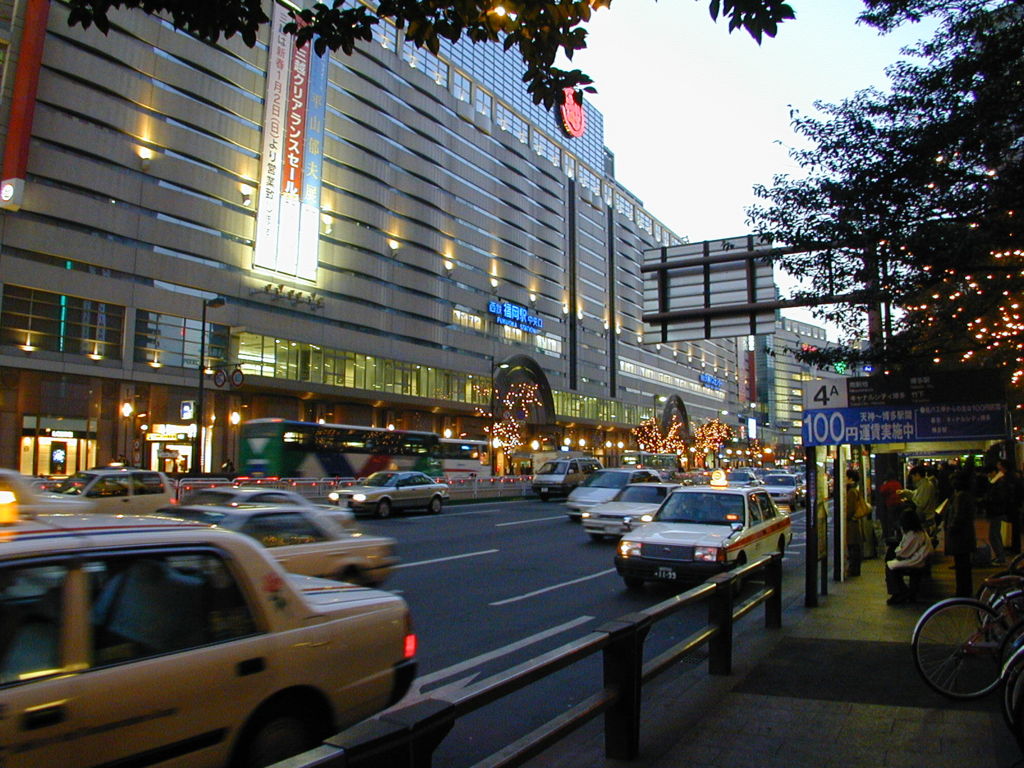
Tenjin is the main shopping area of Fukuoka city, a modern area full of shopping centers, shops and restaurants of all kinds.
The neighborhood
Shopping centers and department stores
The biggest department stores are
Mitsukoshi (11 floors),
Tenjin Core (11 floors),
Tenjin Vivre (10 floors),
IMS (9 floors),
Daimaru (8 floors, 2 buildings),
Iwataya Honten,
Mina Tenjin,
Parco,
LOFT,
Vioro,
Solaria Plaza,
Daiei Fukuoka (there's a Daiso 100 Yen Shop on the 7th floor), all marked on the map at the bottom.
In addition, below the streets of the neighborhood, in particular between
Tenjin and
Tenjin-Minami station, there is another shopping mall of 150 shops,
Tenjin Chikagai.
For those who prefer to go shopping in the traditional covered shopping arcades (
shotengai), a few steps from Tenjin station you can fint the
Shintencho Shopping Arcade, with about 90 shops and restaurants.
Daimyo
Daimyo is a small area west of Tenjin station, an area whose restaurants, cafes and boutiques are considered by the people of Fukuoka among "the coolest" of the city, with an atmosphere sometimes hipster, sometimes vintage.
Oyafuko Dori
For those looking for nightlife, night bars and night clubs where to dance, meet people and drink until late at night, there's this little street near Tenjin Station. The area is very popular with foreigners, and some places are also owned by foreigners living in Japan.
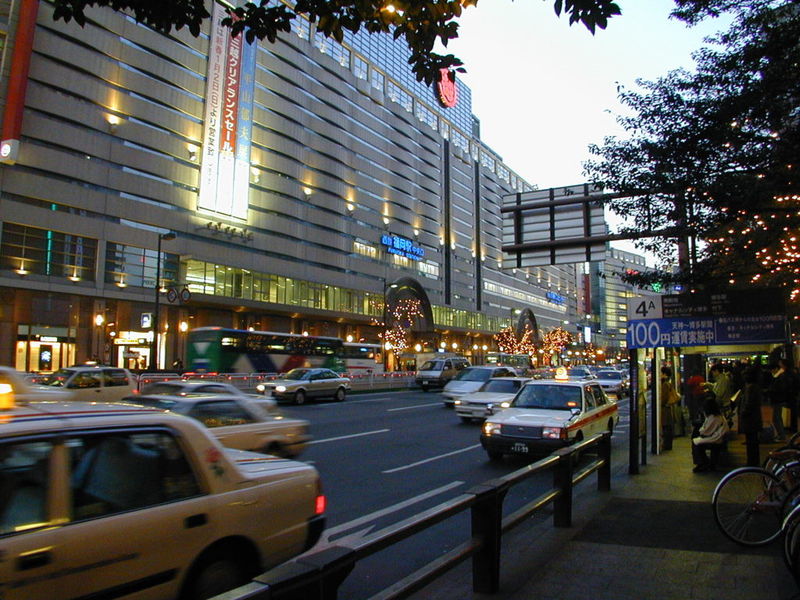
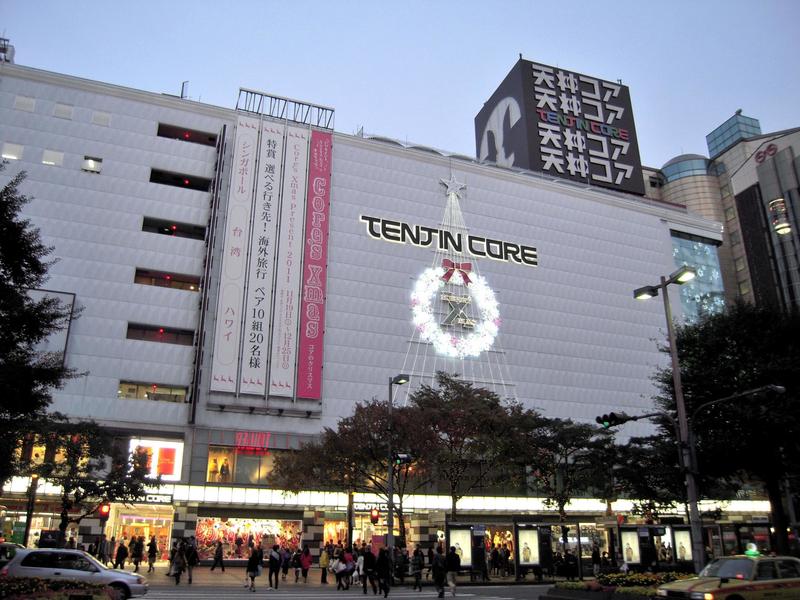 around Tenjin
Fukuoka Castle Ruins (Maizuru Koen)
Fukuoka Castle, built in the early 17th century, it was long the largest and most important castle of the Kyushu region, but it was dismantled from 1871.
Today, on its ruins, there is a large park, known as
Maizuru Koen, a very popular place for spring picnics under the cherry trees in bloom (
hanami). Scattered here and there around the park you can find various ruins of the ancient castle of the city.
Not far from this park there is another park (
Ohori Park), a museum (
Fukuoka Art Museum) and a shrine (
Gokoku Shrine).
Ohori Park
A large park located a few meters west of
Maizuru Koen (see above).
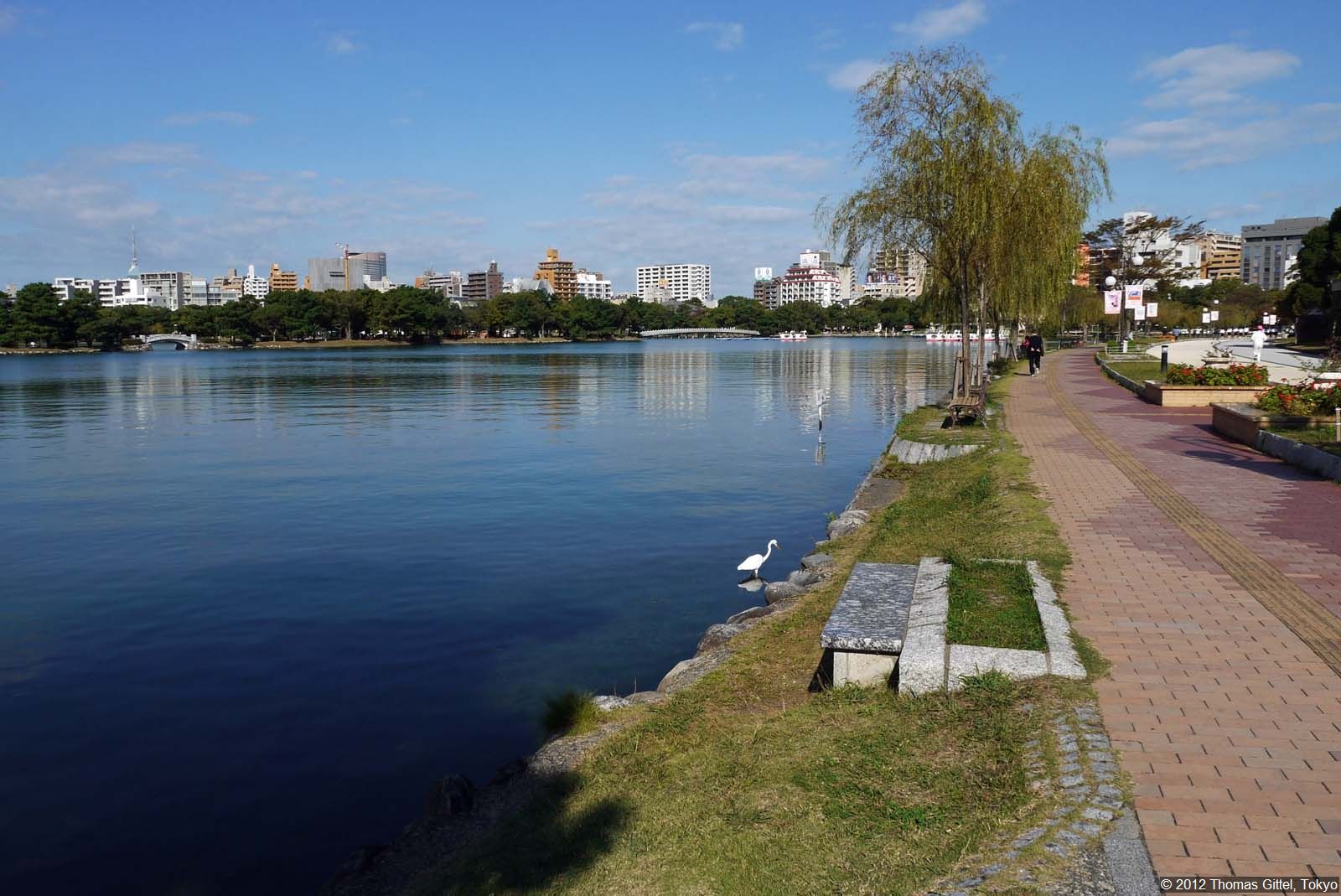
At the center the park there is a large pond, crossed by three bridges connecting three small islands built in the middle of the pond, and surrounded in all its circumference by a jogging track and a number of benches. This place is one of the most popular among the residents of the city to do exercise or to walk and relax.
In the southern part, not far from the
Fukuoka Art Museum (see below), there is a small traditional Japanese garden (admission 240 yen).
Fukuoka Art Museum
(admission 200 yen, opening hours 9-17:30, until 19:30 jul-aug)
An art museum located in the south of Ohori Park, on the banks of the pond.
This museum closed on September 1st, 2016 for renovation works. Reopening is planned in March 2019.
Gokoku Shrine
A Shinto shrine located a few steps away from the 'Ohori Park and Maizuru Koen.
Along the way to get there, you will pass through a huge entrance gate (torii), which happens to be the largest torii in raw wood (cypress) in all Japan.
Beyond this, there is not anything special for which it is worth a special visit, but if you're in the area you can go take a look. The shrine is quite popular among tourists because of its proximity to other tourist attractions and it is also very popular for wedding ceremonies.
Nishi Koen
A large park located about 1.5 km north of Ohorikoen station.
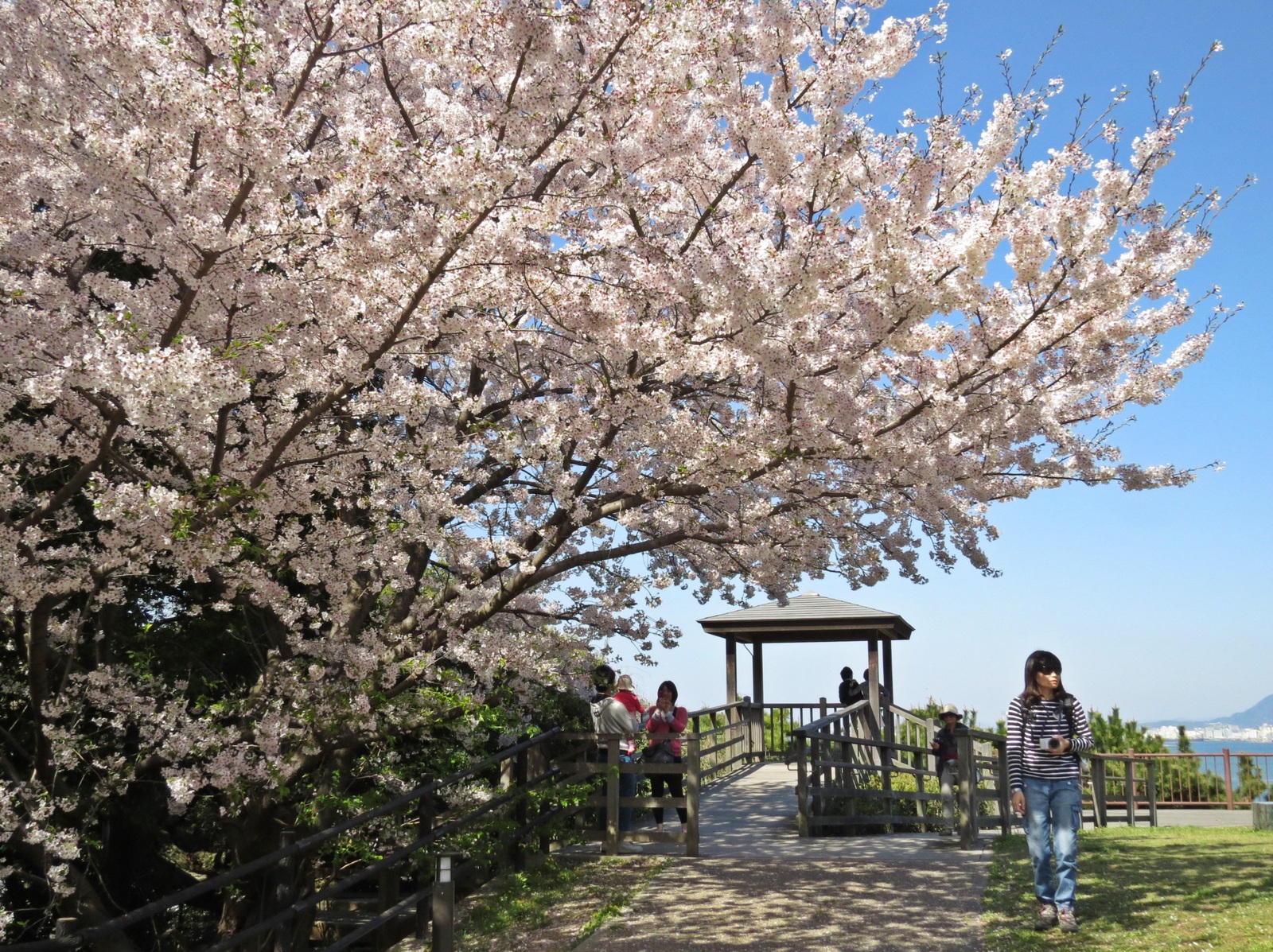
It is not easy to get there, because it is far from the nearest station and because it is situated on a hill, so you have to walk a lot reach the top. From its top you can enjoy a sea view. For these reasons, very few tourists visit this park, although it is part of the "
list of the 100 best places in Japan where to see hanami", on its grounds there are about a thousand cherry trees. You can get to the top also by car, so if you want to visit it but you are too lazy to walk there, you can take a taxi.
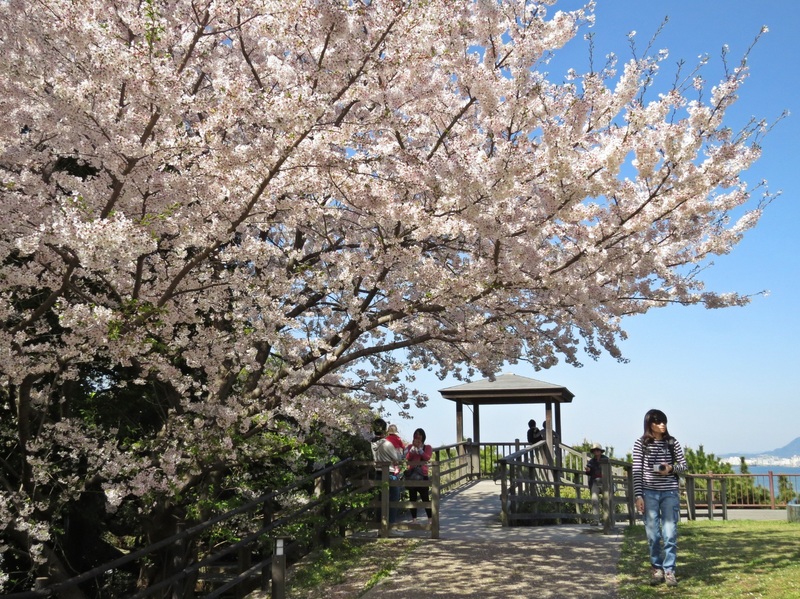 a cherry tree in bloom at Nishi Koen
ACROS Fukuoka
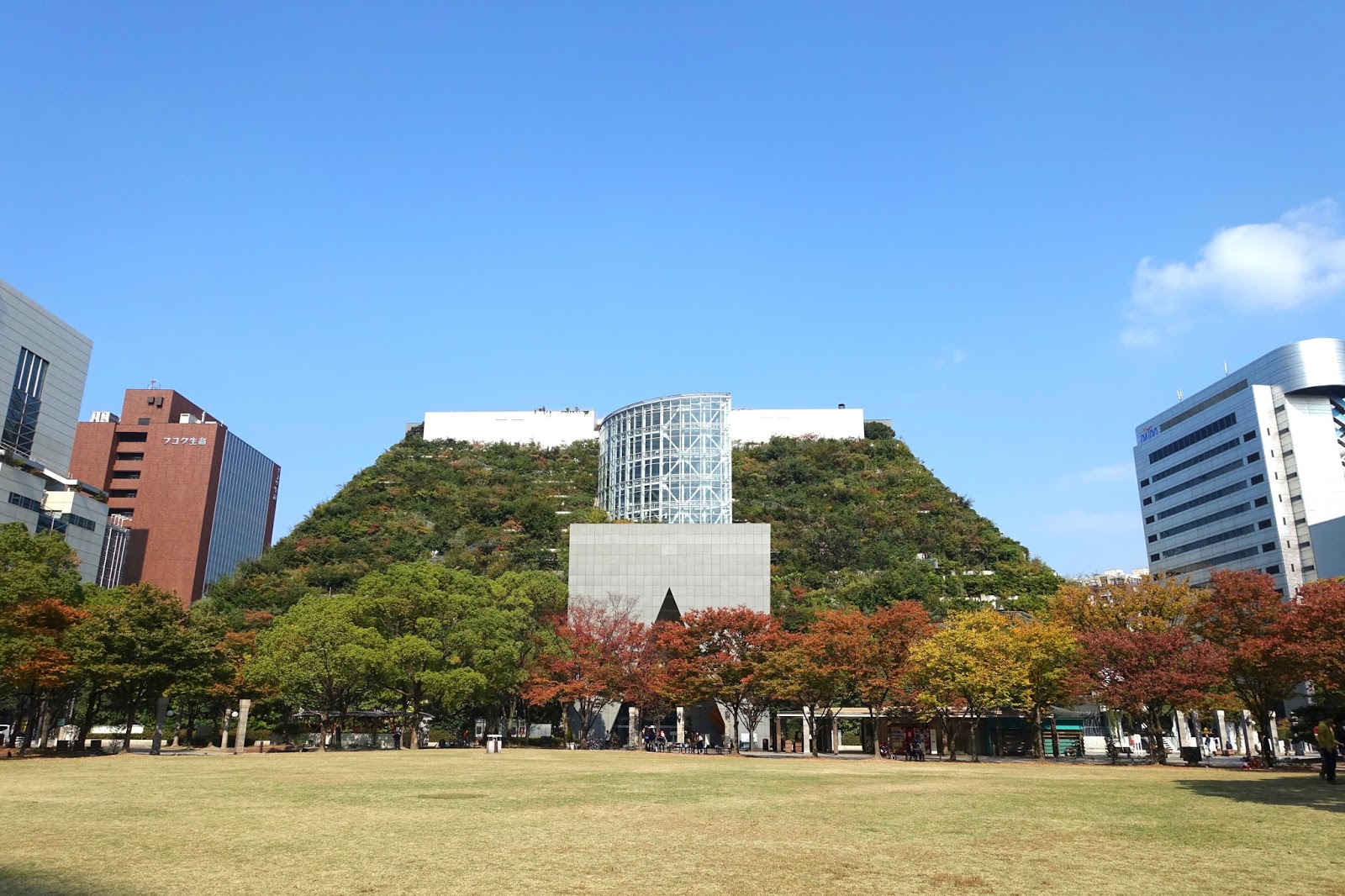
About 700 meters east of Tenjin station you can find this building, a place of particular interest for lovers of architecture.
It opened in 1995 after 3 years of construction and it was designed by the Argentinean architect
Emilio Ambasz. This building is one of the first examples in the world of
bio-architecture. One of the sides of the building is indeed constituted by a series of terraces covered by a thick vegetation, a kind of vertical garden which ideally is a continuation of the public park located in front of it, the
Tenjin central park. On the roof (15 floors) there is a panoramic terrace (free of charge, 10-16). Inside the building houses various things, including a concert hall, an art gallery (
Takumi Gallery) and a tourist information center for the entire Kyushu region (2F).
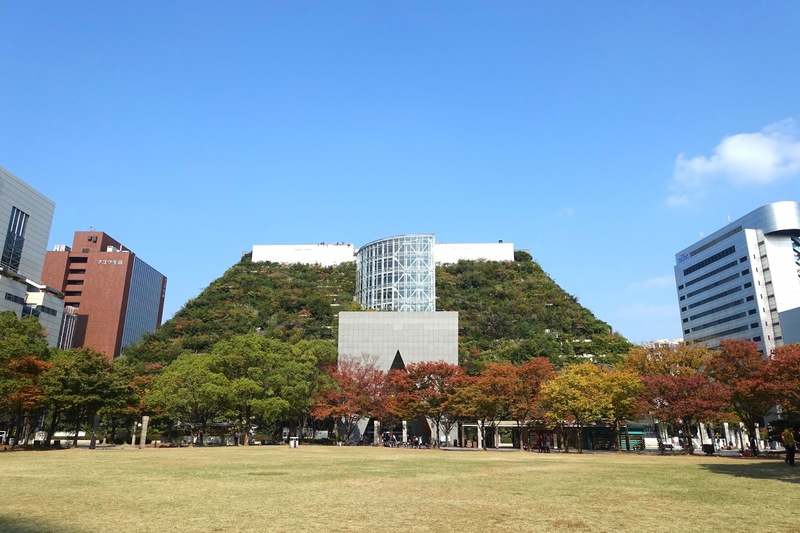
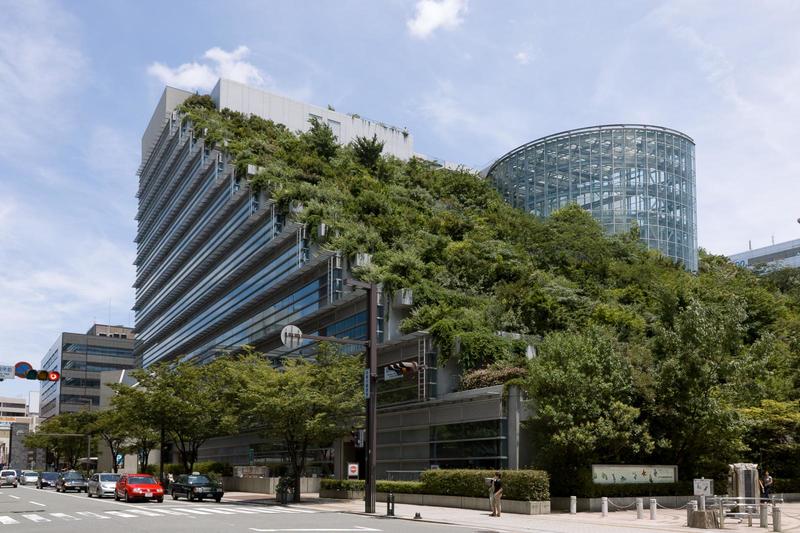 ACROS Fukuoka
Nagahama fish market
About 700 meters north of the metro station
Akasaka, you can find the
Fukuoka Fish Market.
The area where there is the buying and selling of fish products is usually closed to visitors, except on the
second saturday of every month, from 9 to 12, the only day open to the public.
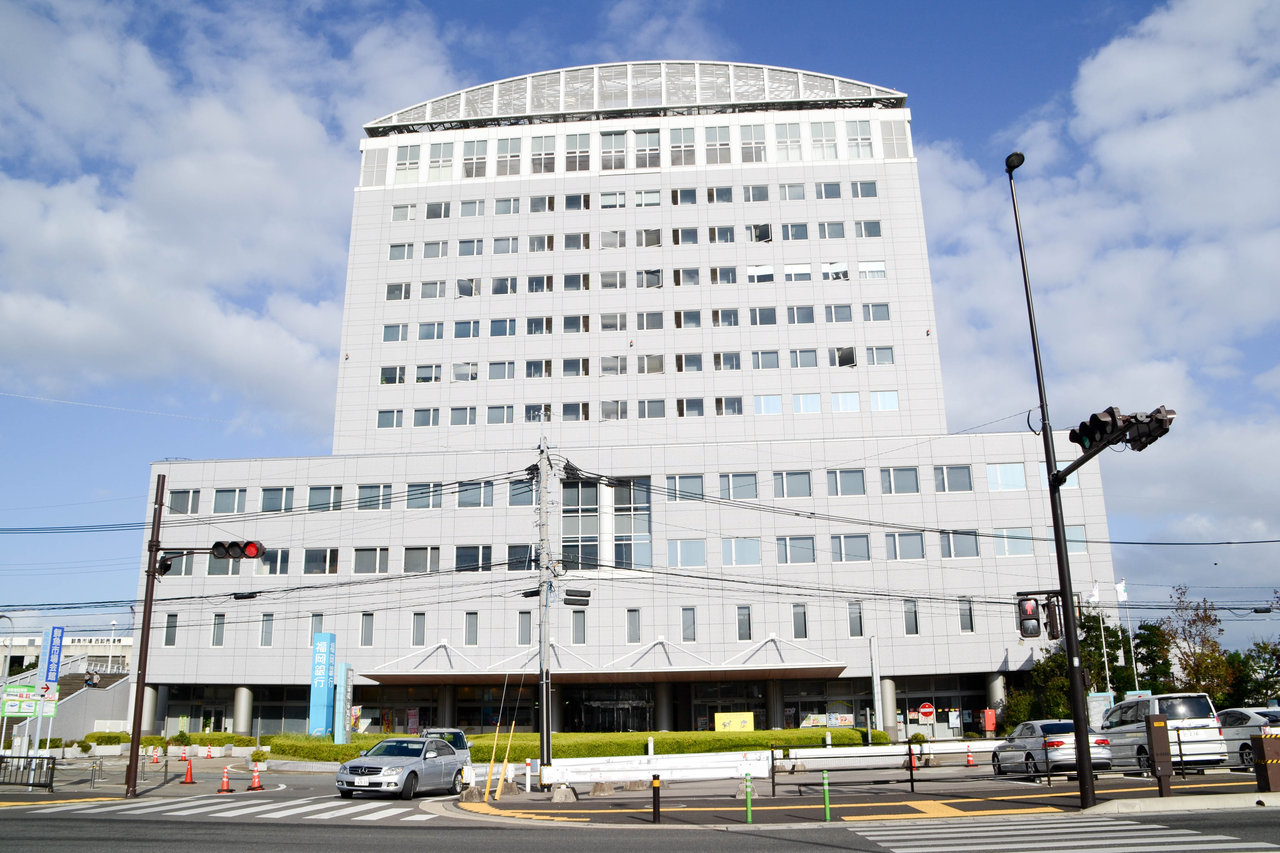
During the other days you can still go in the area, freely enter into a building called
Fukuoka City Fish Market Center and have a seafood lunch at one of those cheap restaurants inside. From the second floor of this building you can also start walking along a raised path from which you can see the market from abouve, without interfering with people at work. From the 13° floor of the same building you can also enjoy a beautiful view of the sea and the surrounding area.
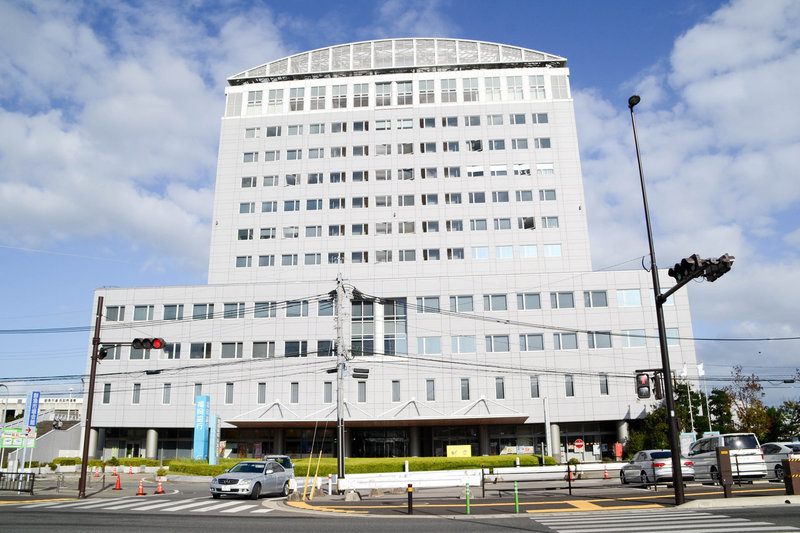 the Fukuoka City Fish Market Center
Yanagibashi Coop Market
If you wanted to visit a fish market and you've been disappointed to not to be able to get into the market of Nagahama, you can visit this market, located south of Tenjin, about 400 meters from the subway station
Watanabe-Dori.
In this place there are approximately 60 fish shops.
Where to stay, recommended accommodation in Tenjin, Fukuoka
Tenjin is one of the best areas to stay in Fukuoka, it is important to choose a hotel just a few steps from one of the metro stations in the area, preferably near Nakasu or the area between Tenjin station and Tenjin-minami station. For more tips check out the guide of
Nakasu or the page
Where to stay in Fukuoka.
Cheap hotels in Tenjin
 Hotel Ascent Fukuoka
A business hotel located right next to Tenjin station, in the heart of the city. Rooms are very small and the hotel isn't anything special, but it isworth the little money it costs, especially considering the location (it couldn't be better). Single rooms from 5,000 yen, double rooms from 8,000 yen per night.
Hotel Ascent Fukuoka
A business hotel located right next to Tenjin station, in the heart of the city. Rooms are very small and the hotel isn't anything special, but it isworth the little money it costs, especially considering the location (it couldn't be better). Single rooms from 5,000 yen, double rooms from 8,000 yen per night.
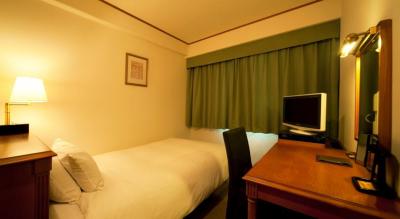 Plaza Hotel Premier
A big hotel in the area with the most stylish restaurants and cafes of the city, Daimyo, a few minutes on foot from Tenjin station. Maybe it is the best hotel in the area as for value for money, if you are not looking for anything sophisticated. Single rooms from 5,500 yen per night, doubles from 7,800 yen per night. Big breakfast buffet at 1080 yen per person.
Plaza Hotel Premier
A big hotel in the area with the most stylish restaurants and cafes of the city, Daimyo, a few minutes on foot from Tenjin station. Maybe it is the best hotel in the area as for value for money, if you are not looking for anything sophisticated. Single rooms from 5,500 yen per night, doubles from 7,800 yen per night. Big breakfast buffet at 1080 yen per person.
Mid-range hotels in Tenjin
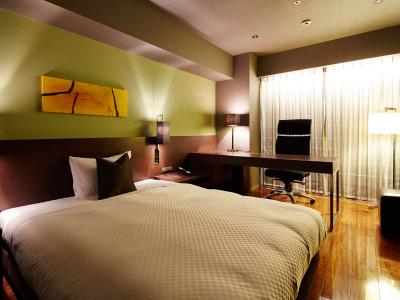 Hotel UNIZO Fukuoka Tenjin
A hotel belonging to a widespread and highly reliable chain of Japanese hotels (Unizo), located just a few minutes from Tenjin Station. Rooms are modern and elegant, and much more spacious than average. Single rooms from 10,000 yen, doubles from 14,000 yen per night.
Hotel UNIZO Fukuoka Tenjin
A hotel belonging to a widespread and highly reliable chain of Japanese hotels (Unizo), located just a few minutes from Tenjin Station. Rooms are modern and elegant, and much more spacious than average. Single rooms from 10,000 yen, doubles from 14,000 yen per night.
Luxury hotels in Tenjin
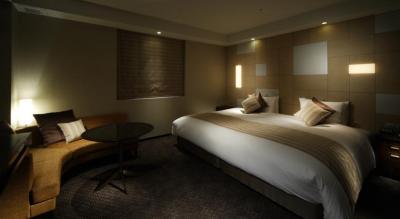 Hotel Il Palazzo
Wonderful hotel belonging to a renowned international chain (Small Luxury Hotels of the World), located opposite the island of Nakasu and particularly in front of the famous area that in the evening is full of food stalls (yatai). The strong point of this hotel, designed by renowned Italian architect Aldo Rossi, is the extremely modern design and technology that characterizes every place of the structure. The interiors of the rooms are spacious and stylish, with a few particular accessories such as DVD player and Nespresso machine. An "almost 5 stars" hotel. Double rooms from 13,000 yen per night (single use), from 18,000 yen per night for two people. Great breakfast at 1900 yen per person.
Hotel Il Palazzo
Wonderful hotel belonging to a renowned international chain (Small Luxury Hotels of the World), located opposite the island of Nakasu and particularly in front of the famous area that in the evening is full of food stalls (yatai). The strong point of this hotel, designed by renowned Italian architect Aldo Rossi, is the extremely modern design and technology that characterizes every place of the structure. The interiors of the rooms are spacious and stylish, with a few particular accessories such as DVD player and Nespresso machine. An "almost 5 stars" hotel. Double rooms from 13,000 yen per night (single use), from 18,000 yen per night for two people. Great breakfast at 1900 yen per person.
How to get to Tenjin, Fukuoka
The area is well served by the subway.
The most convenient station to get to the shopping area is
Tenjin station (
Kūkō Line) and
Minami-tenjin station (
Nanakuma Line).
To get to Ohori Koen and Mazuru Koen the closest station is
Ōhorikōen station (
Kūkō Line).
Map of Tenjin, Fukuoka
Guided tours, activities and other things to do
If you are planning a trip to Japan and you want to do something more than just visiting famous places and monuments, we suggest you to use
Rakuten Travel Experiences.
How to use Rakuten Travel Experiences
Rakuten Travel is a very useful website to
enrich your travel experience, especially if you are going solo or it's your first time in Japan.
Because of the language barrier (and more), in Japan it is very difficult to interact with the locals and to get off the tourist track.
Thanks to Rakuten Travel you can find a lot of interesting and sometimes unique
guided tours and activities all over Japan (and not only in Japan), that you would otherwise never be able to enjoy.
But there's more: on Rakuten Travel you can also
buy tickets for several famous attractions, events, transportation and other useful services for tourists. Last but not least, you can
reserve a table in hundreds of restaurants.
Some examples
Take a look at Rakuten Travel Experiences
You may also be interested in
 around Tenjin
 Ohori Park (photo taken by Thomas Gittel)
 a cherry tree in bloom at Nishi Koen
 ACROS Fukuoka
 the Fukuoka City Fish Market Center